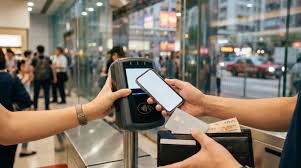

Digital payment services have become an important part of modern shopping. Consumers increasingly expect convenient ways to pay for purchases, whether they are buying groceries, ordering products online or visiting local businesses. In Hong Kong, a range of payment methods is available, including cards, bank transfers, QR-based services and mobile wallets.
Understanding how these options work can help shoppers choose methods that suit their routines. Convenience is important, but security, fees, acceptance and customer support should also be considered.
The Growth of Mobile Payments
Mobile payment services allow consumers to complete transactions using a smartphone or another supported device. Depending on the service, payment may involve scanning a QR code, selecting a merchant or confirming a transaction through an application.
This can reduce the need to carry cash for every purchase. Digital transaction records may also make it easier to review spending and locate payment details later.
However, not every merchant accepts every payment method. Consumers should check which services are supported before relying on one wallet for all purchases.
Understanding E-Wallet Features
An e-wallet may offer more than a basic payment function. Depending on the provider, features can include payment history, supported transfers, online checkout and access to selected merchant services.
Some wallets connect to payment cards or bank accounts, while others may operate through a stored balance. The account structure and available services should be reviewed carefully.
Consumers should also check whether a wallet has transaction limits, eligibility requirements or charges for specific activities.
Comparing Payment Options in Hong Kong
People researching an e wallet hong kong can compare providers by looking at practical features rather than choosing solely on popularity.
Useful comparison points include:
- Merchant acceptance in shops and online.
- Supported funding methods.
- Payment and transfer limits.
- Fees and currency-conversion charges.
- Refund and dispute procedures.
- Customer support availability.
- Account security and privacy controls.
A wallet that is useful for one consumer may not be ideal for another. Shopping habits, preferred merchants and existing banking arrangements can all influence the choice.
Convenience for Online and Physical Shopping
Digital wallets may simplify online checkout by reducing the need to enter payment details for every transaction. At physical stores, QR-based payments can offer another way to complete a purchase where supported.
Before confirming any transaction, check the merchant information and total amount. Keep a record of important purchases and review notifications after payment.
If a merchant offers several payment options, compare them based on convenience, fees and any applicable consumer protections.
Security and Privacy Considerations
A digital wallet contains information that should be protected carefully. Use a strong password and enable additional authentication features where available.
Avoid sharing verification codes, passwords or account access with anyone. Fraudsters may pretend to represent a payment provider and create urgency by claiming that an account will be blocked or a refund will expire.
Use official applications and websites. If a message requests personal information or payment through an unfamiliar link, verify the request directly with the provider.
Privacy is another consideration. Review the provider’s privacy policy to understand what information may be collected and how it is used.
Managing Spending With Digital Records
Transaction histories can help consumers monitor everyday spending. Reviewing records regularly may make it easier to identify repeated expenses, unfamiliar payments or transactions that need attention.
However, digital records should not replace personal budgeting. Consumers should still set spending limits and check their financial commitments before making purchases.
For shared devices, log out when appropriate and use the security controls provided by the application. If a phone is lost, follow the provider’s instructions for protecting or suspending account access.
What to Do When a Payment Fails
A failed transaction does not always mean that money has been lost. The payment may be pending, declined or awaiting confirmation.
Check the transaction history before trying again. If the amount appears to have been deducted but the merchant has not received it, contact the wallet provider and merchant through their official channels.
Keep relevant receipts, transaction references and notifications. These details may help the support team investigate the issue.
Frequently Asked Questions
1. Can an e-wallet be used at every shop in Hong Kong?
No. Acceptance depends on the merchant and the payment service. Check whether the wallet is supported at the stores and websites where you regularly shop.
2. What should I compare before choosing a digital wallet?
Review merchant acceptance, funding methods, transaction limits, fees, security features, refund procedures and customer support. Choose a service that fits your actual payment habits.
3. What should I do if my mobile wallet is compromised?
Contact the provider through its official support channel immediately. Follow its instructions to secure or suspend the account, change credentials and report unauthorised transactions.
Conclusion
Digital wallets offer consumers in Hong Kong another convenient way to manage everyday payments. Choosing a suitable service requires attention to merchant acceptance, account conditions, fees, security and privacy. By understanding these features and reviewing transactions regularly, shoppers can make more confident use of digital payment technology.