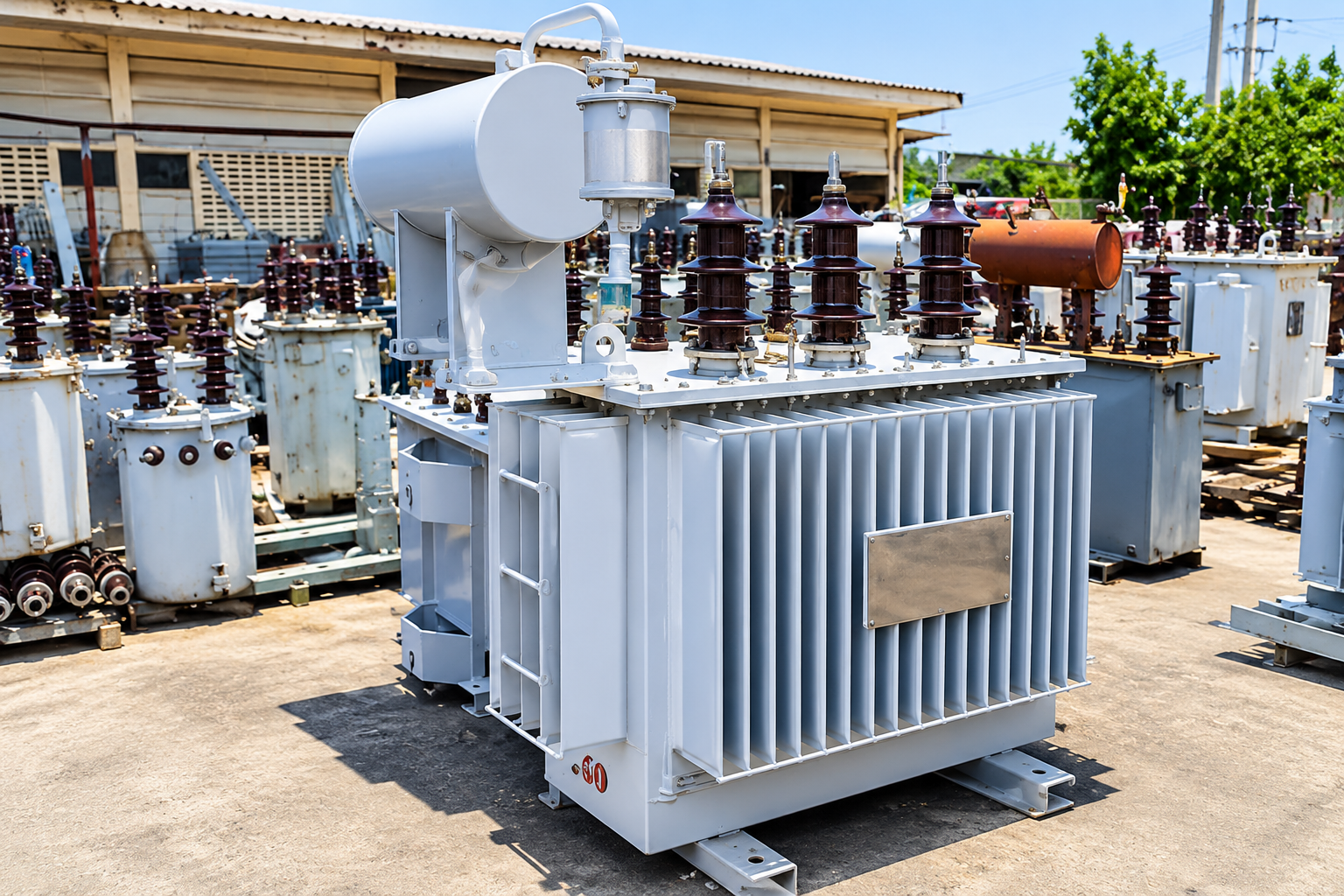

Electricity distribution systems need reliable equipment to deliver power safely to homes, farms, commercial properties and other facilities. Transformers help manage voltage levels so electrical equipment receives a suitable supply for operation. A 167 KVA single phase transformer is one option used in distribution networks where single-phase power delivery is required. Understanding its capacity, construction, installation requirements and maintenance needs helps utility providers, contractors and property developers make informed decisions when selecting distribution equipment.
What Is a Single-Phase Distribution Transformer?
A single-phase distribution transformer transfers electrical energy between two circuits through electromagnetic induction. It changes the voltage from a higher level on the primary side to a lower level on the secondary side, making electricity suitable for end-user applications.
These transformers generally contain a magnetic core, primary and secondary windings, insulation materials and a protective enclosure. Depending on the design, they may also include bushings, cooling arrangements, protective devices and accessories for monitoring operating conditions.
The equipment is commonly installed in electricity distribution networks where three-phase supply is unnecessary or where individual single-phase distribution points are more practical.
Transformer capacity is measured in kilovolt-amperes (kVA). This rating indicates the apparent power the equipment can handle under specified operating conditions. Correct capacity selection helps prevent excessive loading, overheating and unnecessary energy losses.
How Does a 167 kVA Transformer Work?
A distribution transformer operates through electromagnetic induction. When alternating current flows through the primary winding, it produces a changing magnetic field within the core. This magnetic field induces voltage in the secondary winding.
The voltage difference between the two windings depends on their turns ratio. A higher number of turns on the primary winding than on the secondary winding produces a lower output voltage.
The main operating components include:
- Magnetic core: Provides a controlled path for magnetic flux and helps reduce energy losses.
- Primary winding: Receives electrical power from the incoming supply.
- Secondary winding: Delivers electricity at the required distribution voltage.
- Insulation system: Separates conductive components and protects against electrical breakdown.
- Cooling arrangement: Controls the temperature generated during normal operation.
- Protective accessories: Help manage electrical faults, overcurrent conditions and abnormal operating situations.
A properly designed transformer maintains the required voltage within its specified operating range while supplying connected loads.
Where Are 167 kVA Transformers Commonly Used?
Single-phase distribution transformers serve locations where electrical demand is substantial but does not require a dedicated three-phase distribution arrangement.
Common applications include:
Rural electricity distribution: Farms, agricultural properties and remote communities may need reliable electricity for lighting, irrigation equipment and household appliances.
Residential developments: Housing projects with suitable single-phase distribution arrangements can use these transformers to supply electricity to groups of properties.
Small commercial establishments: Shops, offices, workshops and local business premises may require distribution equipment capable of supporting their connected electrical loads.
Agricultural operations: Water pumps, storage facilities, farm buildings and other electrical installations can benefit from appropriately rated distribution equipment.
Remote infrastructure: Telecommunications facilities, monitoring stations and isolated service buildings may require dependable single-phase electricity supplies.
The actual suitability depends on the connected load, supply voltage, local electrical standards and distribution network design.
Selecting the Correct Transformer Capacity
Capacity selection requires more than adding the wattage of connected equipment. Engineers must consider the expected demand, operating conditions and the possibility of future load increases.
A 167 kva transformer should be assessed against the total apparent power demand of the installation. The calculation needs to account for power factor, load diversity, starting currents and the operating characteristics of connected machinery.
For example, motors and pumps can draw higher current during startup than during normal operation. If these loads are not considered during transformer selection, the equipment may experience excessive voltage drops or repeated overloading.
Several factors influence the final rating:
- Maximum demand: Estimate the highest expected electrical load during normal operation.
- Power factor: Consider the relationship between real power and apparent power.
- Load diversity: Determine whether all connected equipment will operate simultaneously.
- Future expansion: Allow suitable capacity for planned additions.
- Environmental conditions: Account for ambient temperature, altitude and ventilation.
- Operating profile: Review whether the transformer will supply continuous, intermittent or fluctuating loads.
A qualified electrical engineer should verify the calculations before equipment is ordered or installed.
Pole-Mounted Installation and Safety Considerations
Pole-mounted transformers are used in overhead distribution networks, particularly in rural and semi-urban locations. They allow electrical utilities to position distribution equipment above ground while maintaining access for inspection and servicing.
A 167 KVA pole mounted transformer must be installed on a support structure designed to withstand its weight, mechanical loading and environmental exposure. The pole arrangement, mounting hardware and clearances must comply with the applicable electrical utility requirements.
Several installation considerations deserve attention:
Structural strength: The supporting pole and mounting assembly must safely accommodate the transformer and associated electrical equipment.
Grounding and earthing: An appropriate earthing system helps manage fault currents and reduces electrical shock risks.
Surge protection: Suitable lightning arresters can protect the installation against voltage surges caused by lightning and switching events.
Electrical clearances: Required distances from buildings, roads, conductors and accessible areas must be maintained.
Access for maintenance: The installation should allow authorised technicians to inspect connections and service components safely.
Installation should be carried out by qualified personnel in accordance with local electrical regulations and utility specifications.
Efficiency and Energy Losses
Transformer efficiency affects the operating cost of an electrical distribution network. Losses generally fall into two categories: core losses and winding losses.
Core losses occur because of the changing magnetic field within the transformer core. They are present whenever the transformer remains energised, even when the connected load is low.
Winding losses result from electrical resistance in the conductors. These losses increase as the current flowing through the windings rises.
Manufacturers use suitable core materials, winding arrangements and insulation systems to control these losses. Buyers should review the manufacturer’s declared efficiency, no-load losses and load losses when comparing equipment.
Efficient transformer operation also depends on proper sizing. Equipment that is consistently overloaded may experience excessive heating, while an unnecessarily oversized unit may increase initial investment and operating losses.
Maintenance Practices That Support Long-Term Performance
Routine inspection helps identify developing problems before they cause equipment failure or an unexpected power interruption.
A maintenance programme should include:
- Visual inspections: Check the enclosure, bushings, connections and external components for visible damage.
- Temperature monitoring: Investigate unusual temperature increases that may indicate overloading or cooling problems.
- Connection checks: Inspect electrical connections for signs of looseness, corrosion or overheating.
- Insulation assessment: Arrange suitable insulation testing according to manufacturer recommendations and maintenance procedures.
- Oil inspection: For oil-filled models, check oil levels, leakage and oil condition where applicable.
- Protective equipment testing: Verify that associated protection devices operate according to their specified settings.
Maintenance frequency depends on equipment design, operating conditions, manufacturer guidance and utility requirements. Any inspection involving live electrical equipment must follow appropriate safety procedures.
What to Check Before Purchasing a Transformer
Purchasing distribution equipment requires a review of technical specifications, manufacturing quality and installation requirements. A low purchase price should not be the only consideration, as unsuitable equipment can create higher operating costs and reliability problems.
Before selecting a manufacturer or supplier, review these details:
- Rated primary and secondary voltages
- Frequency and insulation class
- Impedance and temperature-rise limits
- No-load and load losses
- Cooling method and enclosure design
- Applicable IEC or other relevant standards
- Factory testing and inspection documentation
- Warranty coverage and technical support
- Availability of replacement components
Buyers should also confirm that the equipment is compatible with the local distribution network. Technical drawings, test certificates and installation documentation make it easier for engineers and contractors to verify compliance before commissioning.
Making Informed Decisions About Distribution Equipment
Reliable electricity distribution depends on choosing equipment that matches actual demand and site conditions. Capacity calculations, installation planning, protective arrangements and regular maintenance all influence transformer performance over its service life.
A careful assessment of technical specifications and manufacturer documentation helps utilities, contractors and property developers select suitable equipment for their projects. Working with experienced electrical professionals also reduces the risk of incorrect sizing, installation difficulties and avoidable operating problems.