ByJohn A
Diminished Value After an Auto Body Repair and What an Auto Body Shop Can Document for You
Your car comes back looking right. Panels line up, the color matches, and nothing rattles on the freeway. Then two years later you try to sell it, and the buyer pulls a history report showing an accident. The offer drops by a few thousand dollars. That gap is diminished value, and it survives even a perfect auto body repair. Most Sacramento owners never hear the term until it costs them money.
Diminished value describes the difference between what your vehicle was worth before the crash and what it is worth afterward, once the auto body repair is finished and the incident sits on record. The repair fixed the car. It did not fix the paperwork trail attached to the VIN. Let’s break it down.
How Diminished Value Claims Work in California
California treats this as a property damage matter. Under Code of Civil Procedure section 338, an action for injuring goods or chattels carries a three-year window, and a vehicle counts as chattel. Three years from the date of the accident, roughly speaking.
The direction of the claim matters more than the deadline. California diminished value is generally a third-party claim, filed against the at-fault driver’s liability carrier. Most first-party collision policies exclude it outright.
So if you caused the accident, this path usually closes. If someone else caused it, you may have a claim worth pursuing. Whether it pays, and how much, depends on your vehicle and your evidence. Nobody can promise you a number.
See also: 5 Internal Causes of Hair Thinning (And How Homeopathy Treatment Restores Your Follicles Naturally)
Why Repair Records Decide What a Diminished Value Claim Is Worth
An adjuster reviewing your claim wants proof of what happened to the car. Vague proof invites a low offer.
Severity is what moves the figure. Structural damage reads very differently from a replaced bumper cover. A newer vehicle loses more than an older one. Luxury and exotic models tend to lose more still, since buyers in that segment pay close attention to history.
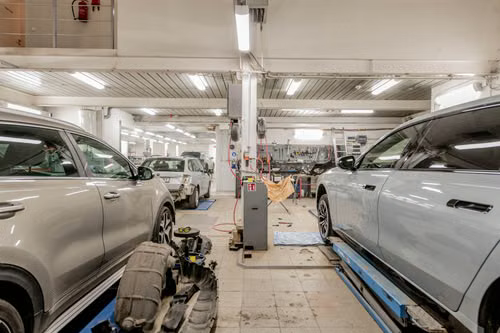
Your repair file records the severity. It shows which panels came off, which parts got replaced, whether structural members were touched, and what procedures the shop followed. Owners underestimate how much that file matters until an adjuster starts questioning it.
What an Auto Body Shop Can Document During Your Repair
A collision shop does not appraise diminished value or file the claim for you. Appraisers and, in some cases, attorneys do that work. A shop produces the underlying record those people rely on.
At Relux Collision, the repair process generates several documents worth keeping:
- The written estimate prepared before work begins.
- The repair blueprint built after disassembly, which typically takes one to three hours and maps every step
- The parts list, including whether components were OEM
- Electrical scan results from the initial damage assessment
- Diagnostic scan and calibration records where sensors were affected
- The final invoice showing completed operations and labor
- Limited lifetime warranty documentation on the work performed.
Ask for copies at pickup. Ask again in writing if the first request gets lost. A file assembled two years later is never as complete as one assembled the week the car left the shop.
Photos, Teardown Notes and the Details People Forget
Written records carry weight. Images carry more.
Teardown photos show what the outside of the car hides. They capture the moment the bumper cover comes off, and the reinforcement behind it becomes visible. That’s evidence an adjuster cannot easily argue with.
A few things worth requesting:
- Photos taken at intake, before any disassembly
- Photos of the vehicle with panels removed
- Images of any structural or suspension components inspected
- Documentation of any supplemental estimate submitted mid-repair
Supplements matter. A claim that started at $2,000 and grew to $7,000 after teardown tells a story about hidden damage. That story supports a larger diminished value figure than the original estimate alone would suggest.
Quality of Repair Affects Value Too
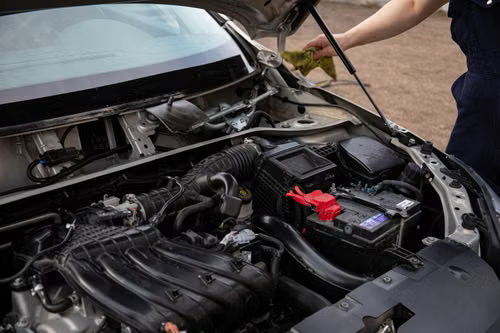
Two cars with identical accident histories can be worth different amounts. The one repaired with manufacturer-approved materials and correct procedures holds more value than the one patched with whatever was cheapest.
Relux Collision mixes paint from your factory paint code using BASF color data and blends into surrounding panels, so repaired areas match the original finish. Technicians hold I-CAR, BASF, and ASE certifications, and the shop carries I-CAR Gold Class recognition.
Does a careful repair eliminate diminished value? No. Nothing removes the accident from the record. A well-documented, properly executed repair simply puts you in a stronger position when the loss is measured.
Practical Steps After Your Repair Is Finished
Next steps are simple enough, though people put them off.
Collect your complete repair file at pickup, not months later. Save the insurance claim number and the other driver’s carrier details. Note the date of the accident, because your three-year window starts there.
If you plan to sell within a few years, start looking at what comparable vehicles without accident history are listing for in the Sacramento market. That comparison is the heart of any diminished value argument.
Consider talking to an independent appraiser if the vehicle is newer or high-value. Carriers respond to their reports.