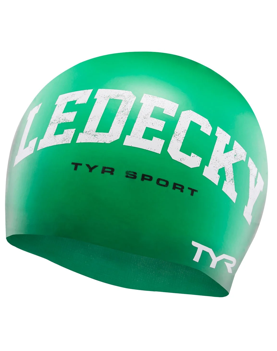

Finding a swim cap that fits comfortably can be difficult when standard sizes feel too tight, pull around the hairline, or fail to cover the head properly. A cap that creates excessive pressure can become distracting during a swim, while one that stretches too loosely may slip during turns and repeated movement. The right choice depends on more than the label or material. Head circumference, cap shape, stretch, and coverage all influence how well a cap performs in the water.
Big swimming caps are worth considering for adult swimmers who need additional room without giving up a secure fit. Some caps offer more flexibility than others, while certain materials provide a closer, more streamlined feel. Understanding these differences makes it easier to compare available options and select a cap suited to regular swimming, recreational use, or training.
Why Standard Swim Caps Can Feel Too Tight
Swim caps are designed to stretch around the head and remain in place during movement. However, not every cap accommodates the same head circumference or shape. A standard cap may feel restrictive if its opening, overall dimensions, or available stretch do not suit the wearer. Pressure around the forehead, temples, and area above the ears can make a cap uncomfortable, particularly during longer sessions.
A tight fit does not automatically mean the cap is providing better coverage or staying in place more effectively. Excessive tension can make it harder to position the cap evenly and may increase the likelihood of tearing when it is pulled on. At the other extreme, a cap with too much room may fold, move, or allow water to collect underneath. The goal is a balanced fit that covers the intended area without creating unnecessary pressure.
Common signs that a cap may be too small include:
- Persistent pressure around the forehead or temples.
- Difficulty pulling the cap over the crown of the head.
- Edges that repeatedly roll or move out of position.
- Material that feels overstretched once the cap is on.
- Discomfort that continues after the cap has been adjusted.
These signs can indicate that a different size, shape, or material may be more suitable. Swimmers should also distinguish between temporary adjustment pressure and discomfort caused by an unsuitable fit. A cap should feel secure, not painful.
See also: How Rotor Repair Services Help Restore Generator Performance and Extend Equipment Life
Measure Head Circumference Before Choosing a Size
Head circumference is a useful starting point when comparing large swimming caps. Measuring before shopping provides a more consistent reference than estimating size from appearance or relying on a general adult label. It also helps identify whether the issue is overall circumference or the shape of the cap itself. A swimmer may need more room across the crown, around the sides, or near the hairline.
To measure head circumference, position a flexible measuring tape around the widest part of the head. Keep it above the eyebrows and ears, passing around the back of the head at its fullest point. The tape should sit comfortably against the skin without being pulled tight. Record the measurement and compare it with the manufacturer’s sizing information when available.
A few details can make the measurement more useful:
- Measure with the hair arranged as it would normally be worn while swimming.
- Keep the tape level rather than allowing it to angle upward or downward.
- Take the measurement more than once to check consistency.
- Use the measurement in the unit shown on the product size chart.
- Check whether the manufacturer provides head circumference measurements or only general sizing labels.
Not every swim cap has a detailed measurement chart. Some products are sold in one size, with flexibility built into the material. In those cases, the stated size alone cannot guarantee a comfortable fit. Product descriptions, material characteristics, and return policies can help guide the decision.
Material Makes a Difference to Fit and Comfort
The material determines how a swim cap stretches, feels against the skin, and responds to repeated use. TYR’s swim cap collection includes silicone, latex, and Lycra options, giving swimmers different characteristics to consider. These materials should not be treated as interchangeable because their stretch, coverage, and water resistance differ. Choosing the right one depends on the intended swimming activity and personal comfort.
Silicone Swim Caps
Silicone is a popular choice for swimmers who want a flexible cap with a smooth surface and a close fit. It stretches to accommodate the head and generally provides a more substantial feel than thinner latex options. Silicone caps are commonly used for regular pool swimming and training because they can offer a balance of flexibility and durability. Their ability to stretch can be useful for swimmers who find rigid or narrow-fitting caps uncomfortable.
However, silicone does not automatically mean a cap will fit every head size. The cap’s dimensions, construction, and cut still matter. A swimmer who needs extra room should check whether the product is specifically described as larger or more accommodating rather than assuming all silicone caps provide additional space.
Latex Swim Caps
Latex caps are typically thinner and lighter than silicone alternatives. Their close-fitting construction can appeal to swimmers who prefer a minimal feel and a snug profile. Latex can also be a practical option for swimmers who prioritize a simple cap for regular pool use.
The thinner material may feel less substantial when stretched over a larger head, so the fit deserves particular attention. Latex can also be less durable when exposed to improper storage, sharp objects, or rough handling. Anyone with a known latex allergy should avoid latex products and choose an appropriate alternative.
Lycra or Fabric Swim Caps
Lycra caps use a fabric construction that feels softer and is generally easier to put on and remove. They can be appealing to recreational swimmers who prioritize comfort and do not want the tight sensation associated with some elastic caps. The fabric construction may also feel more forgiving for everyday pool sessions.
A Lycra cap does not provide the same close-fitting, water-resistant coverage as a silicone or latex cap. Water can pass through the fabric, so it is not the best choice for swimmers who want a streamlined surface or reduced water exposure to their hair. Its main advantage is comfort rather than a tight hydrodynamic fit.
Compare Cap Shape, Stretch, and Coverage
Material is only one part of the selection process. Two caps made from silicone can feel different because their shapes, dimensions, and construction are not necessarily identical. Some designs provide a more traditional rounded profile, while others have contours intended to improve coverage or reduce wrinkles. These differences can affect how the cap sits around the forehead, ears, and crown.
When comparing extra-large swim caps or other roomier options, consider the following features:
- Overall dimensions: Look for published measurements or sizing information rather than relying only on the term large.
- Opening width: The opening should stretch comfortably over the head without requiring excessive force.
- Crown depth: Adequate depth helps the cap cover the top and back of the head.
- Edge construction: A well-positioned edge can help the cap stay in place without digging into the skin.
- Material recovery: The material should return toward its original shape after stretching rather than remaining loose.
- Coverage: Check whether the cap covers the areas you want protected, including the hairline and sides of the head.
A cap with greater stretch is not necessarily larger in its actual dimensions. Stretch describes how much the material can expand, while size and shape determine the space available before that expansion becomes uncomfortable. Both characteristics should be considered when choosing a cap for a larger head circumference.
Choose a Fit That Stays Secure Without Excess Pressure
A comfortable swim cap should remain in position during normal swimming movements. It should not need constant adjustment, but it should also avoid creating a tight band around the forehead or temples. Positioning plays an important role in achieving this balance. Pulling the cap unevenly can create pressure in one area while leaving excess material in another.
Start by opening the cap gently with both hands and positioning its front edge near the hairline. Stretch it gradually over the crown, then adjust the sides and back so the material sits evenly. Avoid pulling sharply on a single section, particularly around the edges, because concentrated tension can damage the material. Once positioned, check that the cap covers the intended area and feels stable without causing discomfort.
A few practical checks can help assess the fit:
- Move the head gently from side to side to check for slipping.
- Confirm that the edge does not create painful pressure.
- Check that the cap is not excessively stretched across the crown.
- Look for folds or loose sections that may affect its position.
- Remove and reposition it if one area feels noticeably tighter than another.
Swimmers with longer hair may need to arrange it carefully before putting on a cap, but overall head circumference and cap dimensions should remain the main sizing considerations. A cap should not be forced into place simply because it is labeled for adults. If it repeatedly slips or causes discomfort, a different design may be a better option.
Match Your Swim Cap to Your Swimming Routine
The right cap also depends on how and where it will be used. Recreational swimmers may prefer a softer feel and easier removal, while frequent lap swimmers may prioritize durability and a consistent fit. Competitive swimmers often look for a smooth surface that sits close to the head and does not create unnecessary folds. A larger cap can still be appropriate for training, provided it stays secure during movement.
Goggles are another part of a swimmer’s equipment setup. Their straps should sit comfortably over or around the cap without pulling it out of position. Triathletes may also want to compare the best goggles for triathletes, particularly when selecting equipment for open-water swimming and multisport training. Swimmers who need vision correction can explore TYR optical goggles as a separate equipment consideration.
The cap and goggles should work together without creating pressure around the temples or disrupting the cap’s position. Adjust the goggle strap after fitting the cap, then check that both pieces of equipment remain comfortable. A secure setup should support movement without requiring repeated adjustments during the session.
Care for Your Swim Cap to Maintain Its Fit
Proper care can help extend the useful life of a swim cap, regardless of its material. Pool chemicals, heat, direct sunlight, and rough handling can affect the material over time. Silicone and latex caps should be handled carefully to reduce the risk of stretching or tearing, while fabric caps should be allowed to dry properly after use. Following the manufacturer’s care instructions is the safest approach because cleaning and storage recommendations can vary.
For routine maintenance:
- Rinse the cap with clean, cool water after swimming.
- Remove excess water gently without twisting or stretching the material.
- Allow it to air-dry completely before storage.
- Keep it away from direct sunlight and high heat.
- Avoid contact with sharp objects, rough surfaces, and abrasive equipment.
- Store it in a clean, dry place rather than leaving it compressed in a wet swim bag.
Do not use a cap that has become brittle, cracked, or excessively stretched. Material deterioration can affect both comfort and its ability to remain in place. Replacing a damaged cap is preferable to continuing to use one that no longer provides a reliable fit.
Conclusion
Choosing big swimming caps involves more than finding a product labeled large or extra-large. Head circumference, cap dimensions, material, stretch, and coverage all influence comfort and stability in the water. Silicone, latex, and Lycra each offer different advantages, so the right choice depends on the swimmer’s preferred feel and intended use. A cap should sit securely without excessive pressure, remain in position during movement, and withstand regular care. Comparing these details before purchasing makes it easier to find a swim cap that supports a comfortable and consistent swimming routine.
For questions about available swim cap options or product details, swimmers can contact TYR.
Frequently Asked Questions
1. Are big swimming caps available for adults with larger heads?
Yes. Swim cap collections include different materials and designs, and some options may offer more flexibility or coverage than standard caps. Check product dimensions and sizing details before purchasing because an adult or one-size label does not guarantee a roomy fit.
2. How do I know if a swim cap is too small?
A cap may be too small if it creates persistent pressure, is difficult to position, or feels excessively stretched across the crown. Repeated slipping or edges that roll can also indicate that the cap’s shape or dimensions are unsuitable. A secure fit should not cause pain.
3. Is silicone better than latex for a larger head?
Silicone may be a comfortable option because it is generally flexible and has a more substantial feel. However, material alone does not determine fit. Compare the cap’s dimensions, stretch, and construction, and avoid latex if you have a latex allergy.
4. Do Lycra swim caps keep hair dry?
No. Lycra or fabric swim caps are designed primarily for comfort and coverage, not water resistance. Water can pass through the material, so swimmers who want a closer-fitting cap with better water resistance may prefer silicone or latex.
5. How should I choose a swim cap if standard sizes feel uncomfortable?
Measure your head circumference and compare it with available product sizing information. Then consider the cap’s material, opening width, crown depth, and overall shape. Choose a design that provides enough room without becoming loose or slipping during swimming.